
### The Comfort Zone of Cybersecurity
We all love that feeling of security when we see the little padlock icon or type in our six-digit 2FA code. It feels like locking the deadbolt at night. But in the world of modern cybercrime, relying solely on Two-Factor Authentication (2FA) is a dangerous myth.
### The Myth: “I have 2FA, so I can’t be hacked.”
It’s a logical thought: If a hacker doesn’t have my phone to get the code, they can’t get in.
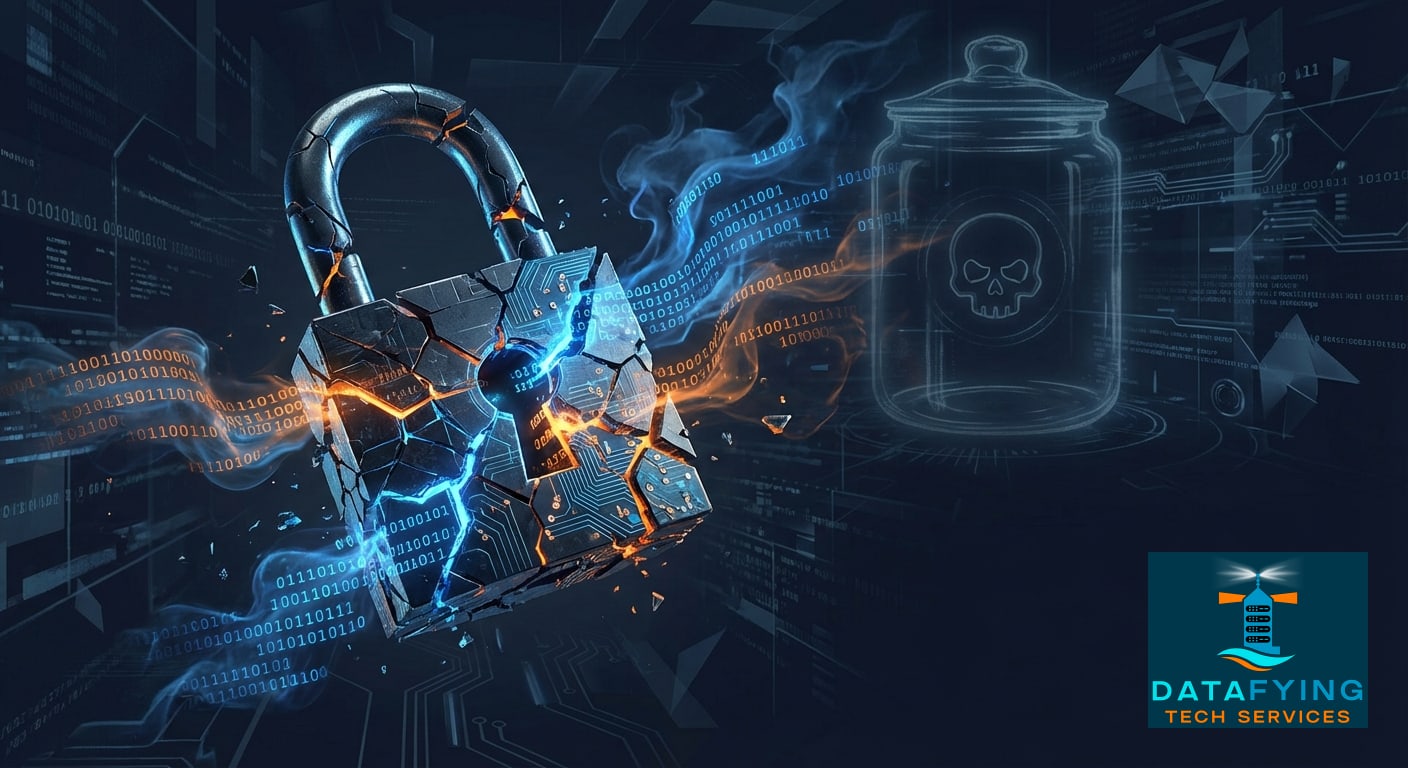
### The Truth: The “Cookie” Jar
Recent news has highlighted the rise of **”Infostealers”** (specifically the RedLine and Meta networks, which were recently disrupted by a global police task force known as **Operation Magnus**).
These malicious programs don’t try to break down the front door. instead, they sneak in through the window. Here is how they work:
1. **Infection:** You accidentally download a file or click a bad link.
2. **Theft:** The malware scans your browser for “Session Cookies.” These are the digital tokens that remember you are logged in so you don’t have to type your password every time you refresh a page.
3. **The Bypass:** The hacker takes that cookie and places it in their browser. The website now thinks the hacker is **you**, on **your device**.
**Result:** They are logged in instantly. No password required. No 2FA code requested.
### How to Actually Stay Safe
This doesn’t mean you should turn off 2FA, absolutely not! It stops 99% of basic attacks. But for the sophisticated 1%, you need layers:
* **Endpoint Detection & Response (EDR):** Antivirus isn’t enough. You need tools that spot behavior (like a program trying to copy your cookies) and stop it.
* **Log Out:** Don’t let your browser remember you for months on end for critical financial or admin accounts.
* **Device Hygiene:** Never run business processes on personal, unmanaged devices.
**The Takeaway:** Security isn’t about one magic tool; it’s about a complete strategy. If you aren’t sure if your endpoint protection is up to the task of stopping Infostealers, let’s chat.