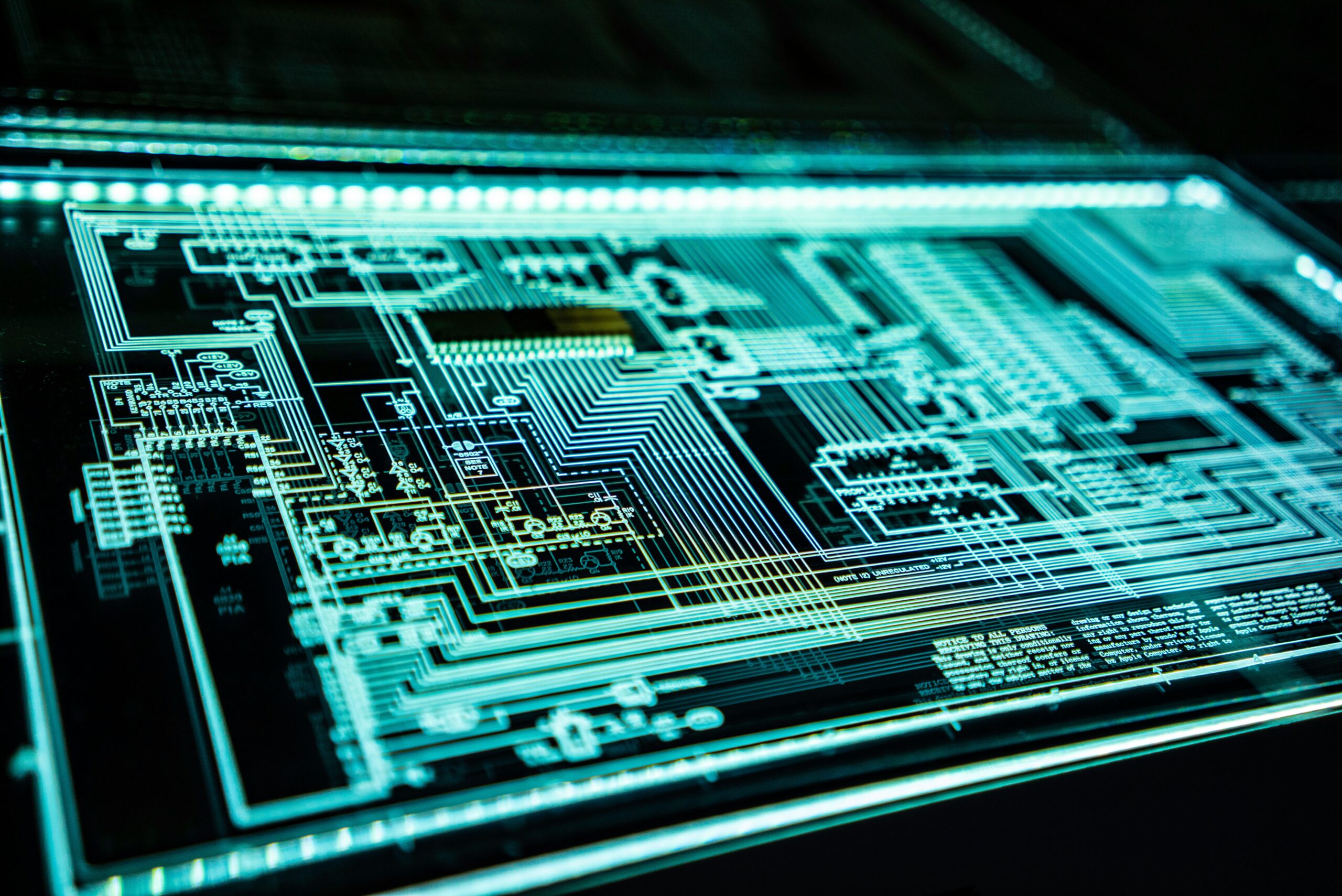


Are Electric Vehicles Vulnerable to Hacks Now?
Hacked on the Highway: Can Hackers Hijack Your Electric Car?
The electric vehicle (EV) revolution is not only about clean energy; it’s also about technology integration and connectivity, bringing both opportunities and risks. As EVs become more prominent on our roads, so do the cybersecurity vulnerabilities associated with them. From EV charging stations to software systems that allow for over-the-air updates, the connectivity that makes EVs so efficient also makes them a potential target for hackers. The recent allegations involving Chechen leader Ramzan Kadyrov and Tesla’s Elon Musk further highlight these risks, with Kadyrov claiming that Musk remotely disabled his militarized Cybertruck[1].
How EVs Can Be Hacked
Electric vehicles are essentially computers on wheels, which makes them highly vulnerable to cyberattacks. Hackers can exploit software vulnerabilities to take control of various functions in an EV. This risk extends to personal information, as many EVs store data such as banking details and driving habits in their onboard systems. In one notorious case, hackers managed to breach a Tesla Model 3’s infotainment system, showcasing how even advanced EVs are not immune to cyber threats[2].
As mentioned in a recent article, Musk allegedly disabled Kadyrov’s Cybertruck remotely, drawing attention to how much control manufacturers have over their products after purchase. Whether or not this story is true, it sparks legitimate concerns about the cybersecurity of EVs and how they could be manipulated[1].
If you’re a small business owner or a tech enthusiast interested in EV cybersecurity, this may remind you of how your network protection needs to be resilient to similar types of cyberattacks. To understand how to secure your business, you can explore our specialized services on network protection and dark web surveillance.
The Vulnerability of Charging Stations
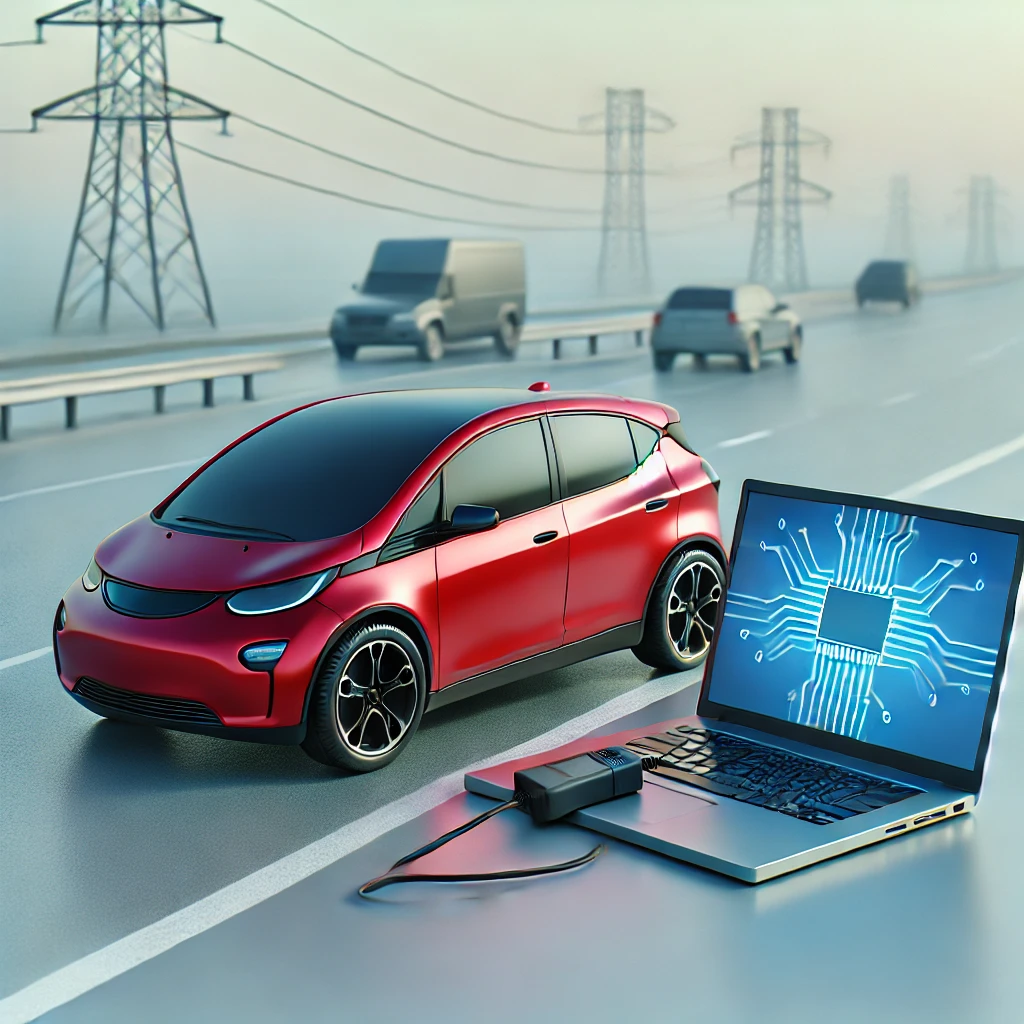
EV charging stations represent another area where cybersecurity risks are prevalent. Many of these stations use the Open Charge Point Protocol (OCPP), an open-source communication standard that allows the management of multiple chargers. Unfortunately, this protocol has vulnerabilities that could allow hackers to hijack charging stations, rendering them inoperable or even siphoning off electricity[3][4]. Recent reports indicate that distributed denial-of-service (DDoS) attacks on EV charging networks could cripple a business’s ability to provide this essential service, much like the Colonial Pipeline attack caused widespread fuel shortages[3].
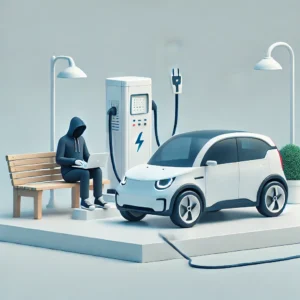
For small businesses thinking of installing EV charging stations, this is a risk to consider. Just as with any other networked infrastructure, you need to ensure that your systems are monitored and safeguarded. Find out more about how we assist businesses in compliance reporting and downtime detection.
Real-World Impacts on Businesses
Whether you’re a small business owner thinking of adopting electric vehicles for your fleet or simply installing charging stations, the cybersecurity risks cannot be ignored. A single attack could cripple not only your vehicles but also your business operations. Additionally, sensitive customer information could be compromised through the systems that power EV charging stations, which manage billing and track vehicle data. If your business handles sensitive data, consider how password leak protection and file security solutions could bolster your defenses.
The Role of Manufacturers and Governments
Governments and automakers are beginning to address these cybersecurity risks. The National Institute of Standards and Technology (NIST) and other agencies have called for stricter cybersecurity measures to be implemented in EV charging systems and vehicles[4]. Companies like Tesla have taken steps to mitigate risks by offering bug bounty programs, incentivizing independent researchers to report vulnerabilities[2].
However, as the Cybertruck remote disablement claim suggests, there are still significant gaps in the security of EVs and the systems that support them. For businesses looking to stay ahead of the curve, implementing robust cybersecurity services, such as ransomware protection, can be a crucial step in ensuring the safety of your assets.
Conclusion: A Secure Future for EVs
As electric vehicles become more common, the need for strong cybersecurity practices is more important than ever. The situation involving Kadyrov’s militarized Cybertruck highlights how vulnerable even the most advanced vehicles can be to remote manipulation[1]. For businesses and tech enthusiasts alike, understanding these risks is key to navigating the future of transportation. Ensuring your business has the right protections in place is critical in this ever-evolving landscape.
For more insights into the vulnerabilities of small businesses and the strategies for protecting them, visit our blog post on “Surprisingly Easy Ways a Hack Can Exploit Your Business”.
Citations:
- Pattnaik, Bibhu. “Putin Ally Who Unveiled Tesla Cybertruck With Machine Gun Last Month Now Says Elon Musk ‘Remotely Disabled’ The Militarized EV.” Benzinga, 22 Sept. 2024, www.benzinga.com/news/24/09/40971831.
- “Electric Vehicles: The Hacking Risks.” Cyber Security Intelligence, www.cybersecurityintelligence.com/article/2638/electric-vehicles-the-hacking-risks.
- “Vulnerabilities Could Let Hackers Remotely Shut Down EV Chargers, Steal Electricity.” CyberScoop, www.cyberscoop.com/ev-charger-vulnerabilities-hack-electricity/.
- “Unprecedented Security Risks, Electric Vehicle Chargers.” CyberTalk, www.cybertalk.org/2023/05/26/unprecedented-security-risks-electric-vehicle-chargers/.