

Surprisingly Easy Ways a Hack Can Exploit Your Business
How Hackers Sneak Into Small Business Accounts (QuickBooks, Square, etc.)
As a business owner, you rely on platforms like QuickBooks and Square to keep your operations humming. But here’s the reality: hackers see your data as an easy payday. So, how do they break in, and more importantly, how can you stop them?
1. Phishing: The Easiest Way In
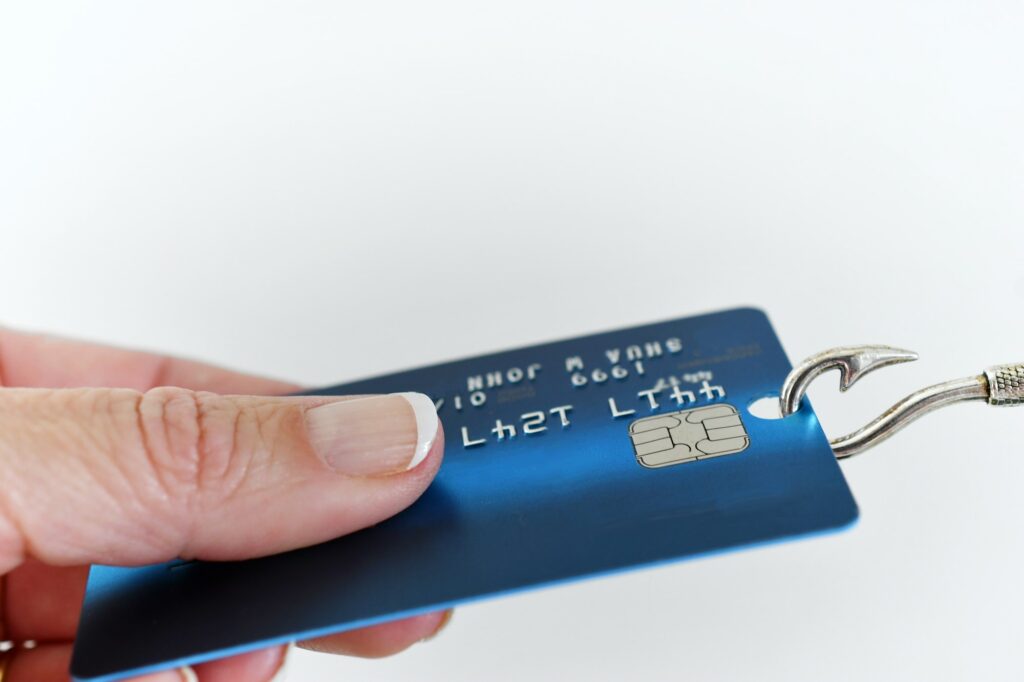
Hackers often start by sending you emails that seem totally legit. Maybe it’s an urgent message from QuickBooks about your account or a payment reminder from Square. But here’s the catch—those emails are fake. One click, and you’ve unknowingly handed over your login info.
- Email Phishing: Hackers are getting more creative by the day. Lately, they’ve been sending fake invoices or messages that seem to come straight from QuickBooks itself. It might look like a simple update request, but it’s really a trap.
- Spear Phishing: In more targeted attacks, hackers pretend to be someone you know, like a vendor or even a coworker. These scams are personal, and that’s what makes them work so well.
2. What Hackers Do Once They’re In
After they grab your login credentials, hackers don’t waste time—they immediately start digging through your accounts.
- Credential Stuffing: They’ll use your login info across various platforms—if you reuse passwords (guilty, right?), this is their golden ticket.
- Ransomware: Hackers might even lock you out of your own accounts, demanding money to give you back access. It’s like holding your data hostage until you pay up. Scary stuff, right?
Ransomware is a growing threat to businesses—find out more in our article on ransomware protection.

3. When Two-Factor Authentication Isn’t Enough
You’ve probably heard that two-factor authentication (2FA) is a great way to secure your accounts. And it is—mostly.
- SIM-Swapping: Hackers can trick your phone company into transferring your number to their device. That means they can receive your 2FA codes and log in as if they were you. Even high-profile people like Twitter’s Jack Dorsey have fallen victim to this.
- Fake 2FA Requests: Ever get a call or message claiming to be from customer support, asking for your 2FA code? Don’t give it out! Hackers are getting sneaky with this trick.
4. The Silent Threat: Cookie and Session Hijacking
You know those pop-ups that ask if you accept cookies on websites? Well, hackers love them too—just not the chocolate chip kind.
- Cookie Theft: Hackers can steal session cookies, which lets them bypass your login altogether. This tactic was used in a 2022 attack on Microsoft 365 accounts.
- Session Hijacking: Using public Wi-Fi at a coffee shop? Hackers can intercept your session and hijack it, making it look like you’re still logged in while they take over.
Read more about securing your network in our guide to network protection for Georgia SMBs.

5. What Hackers Do Once They’ve Taken Over
Now that they’re in, hackers can do some serious damage:
- Changing Credentials: The first thing they’ll do is lock you out by changing your passwords and security settings.
- Financial Fraud: In the worst-case scenario, they’ll drain your accounts by making unauthorized transactions. A 2019 Square hack is a perfect example, where small businesses were financially drained before anyone noticed.
Explore more on financial fraud prevention in our dedicated article.
6. AI Makes Hackers Even Smarter
Hackers are always looking for new ways to break in, and AI is making their jobs easier.
- Automated Phishing Kits: AI can now create phishing emails that are so convincing, even trained employees might fall for them.
- Deepfake Scams: Hackers can use AI-generated deepfake voices to impersonate CEOs or executives, tricking employees into making fraudulent wire transfers.
Real-Life Examples of Businesses Hacked
In recent months, several high-profile businesses have suffered major cyberattacks. In August 2024, Dick’s Sporting Goods discovered a breach that exposed confidential information from its internal systems. The company was forced to lock employee accounts and shut down email systems while cybersecurity experts worked to contain the threat (Enterprise Technology News and Analysis)(BleepingComputer). Similarly, in April 2023, NCR’s Aloha POS platform, widely used by restaurants, was crippled by a BlackCat ransomware attack, causing severe operational disruptions (Kaspersky).
These incidents underscore that no business—whether large or small—is immune to cyberattacks. Protecting your business with proactive measures is crucial to avoid becoming the next target.

How to Protect Your Business Before It’s Too Late
Hackers are constantly evolving their tactics, so it’s not a matter of if but when they’ll target your business. Don’t wait for something to go wrong! Strengthen your security now—use strong passwords, enable 2FA, and train your team to recognize phishing scams.
But here’s the thing: implementing proper security takes time and dedicated resources. Installing antivirus software alone won’t cut it. Keeping your business safe from cyber threats requires ongoing effort and a skilled team. If your business doesn’t have a full-time IT person (Some businesses are required to have this!) to manage your cybersecurity, or if the process feels overwhelming, that’s where we come in.
At Datafying Tech Services, we specialize in protecting small businesses just like yours. Whether it’s securing your QuickBooks, Square, or any other critical systems, we make it easy. You just call us, and we do it all—from setting up multi-layer security to monitoring and maintaining your digital assets. Our team ensures you stay one step ahead of the hackers.
Learn more about how we protect small businesses in Georgia from devastating hacks, or contact us today to set up a free consultation. Don’t leave your business vulnerable—let us handle the heavy lifting.



2 Comments
Are Electric Vehicles Vulnerable to Hacks Now?
September 25, 2024[…] and driving habits in their onboard systems. In one notorious case, hackers managed to breach a Tesla Model 3’s infotainment system, showcasing how even advanced EVs are not immune to cyber […]
How Did Capitol Hill Get Hacked? Scary New Reality
September 25, 2024[…] breaches demonstrate how surprisingly easy it is for hackers to exploit vulnerabilities in organizations. Proactive measures are essential to stay ahead of these […]